
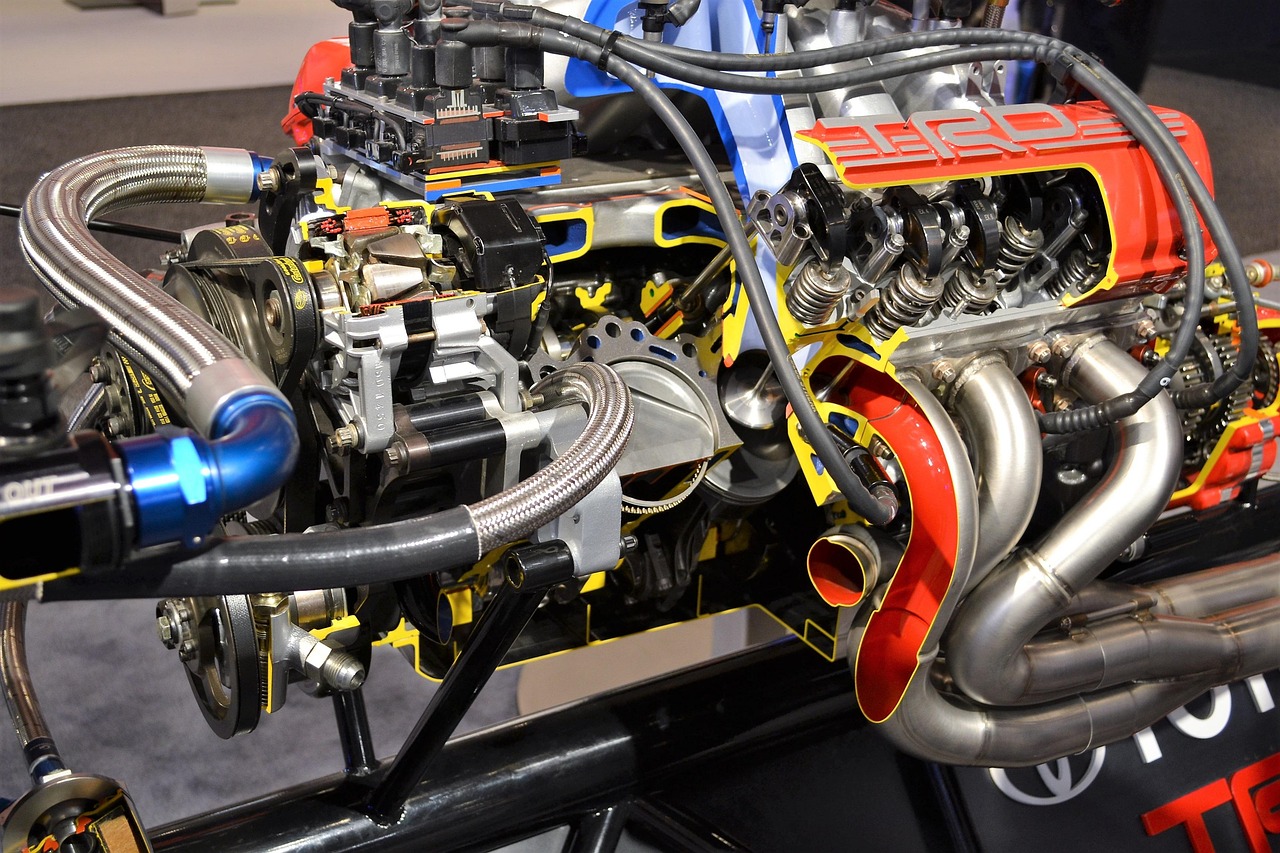
The 2026 Formula 1 regulations usher in one of the most radical engineering resets in motorsport history. While the classic roar remains, the underlying tech under the engine cover has been transformed to be cleaner, simpler, and far more reliant on battery power.
Here is what defines the next generation of Formula 1 power units:
The 50/50 Power Split
The centrepiece of the 2026 power unit is a shift toward a 50/50 balance between thermal combustion and electrical energy.
- Internal Combustion Engine (ICE): Retains the familiar 1.6-litre turbocharged V6 architecture, but its output is reduced to around 400 kW (~535 bhp).
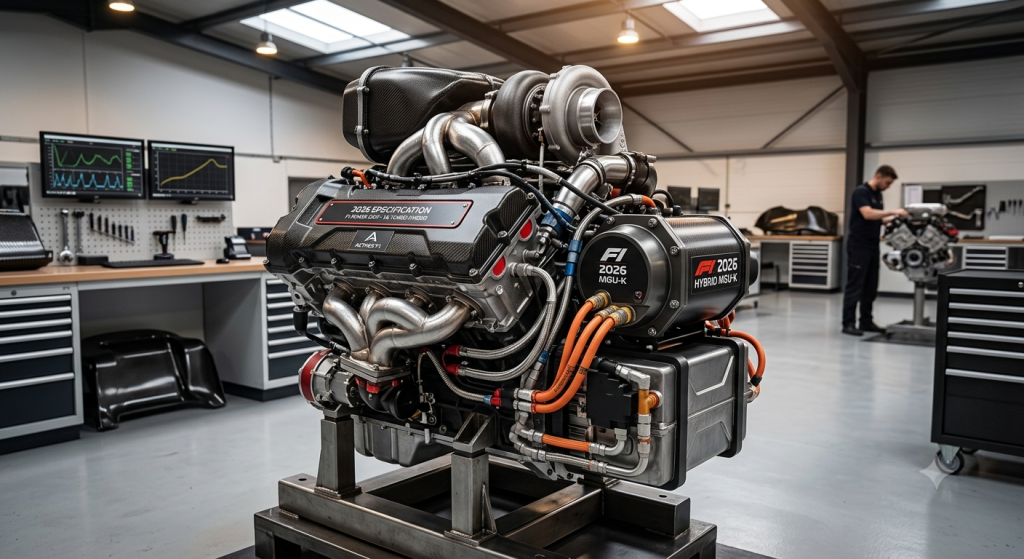
- Kinetic Motor Generator Unit (MGU-K): Massive upgrade! Electrical output nearly triples from 120 kW to 350 kW (~470 bhp).
- Total Output: Together, the hybrid setup still pushes past 1,000+ horsepower.
Goodbye MGU-H, Hello Turbo Lag
In a bid to lower costs and encourage new engine manufacturers (like Audi and Ford) to enter the sport, the complex MGU-H (Motor Generator Unit – Heat) has been scrapped.
Without the MGU-H to instantly spin up the turbocharger, driver skill becomes even more crucial. Drivers have to manage a slight return of turbo lag on corner exits, making throttle application trickier and racecraft more dynamic.
100% Sustainable Synthetic Fuel
F1 cars in 2026 no longer burn conventional fossil fuels. The entire grid runs on 100% advanced sustainable drop-in fuel derived from municipal waste, non-food biomass, or captured carbon. This drop in fossil carbon output keeps the sport aligned with net-zero targets without sacrificing the iconic speed or sound of an F1 machine.
Tactical Battery Strategy
Energy management is more decisive than ever. Because the MGU-K can recover significantly more energy under braking (up to 8.5–9 MJ per lap), drivers must constantly decide when to harvest and when to deploy their electrical boost—especially when triggering the new overtake mode down the straights!