
Early years (1935–1940s)
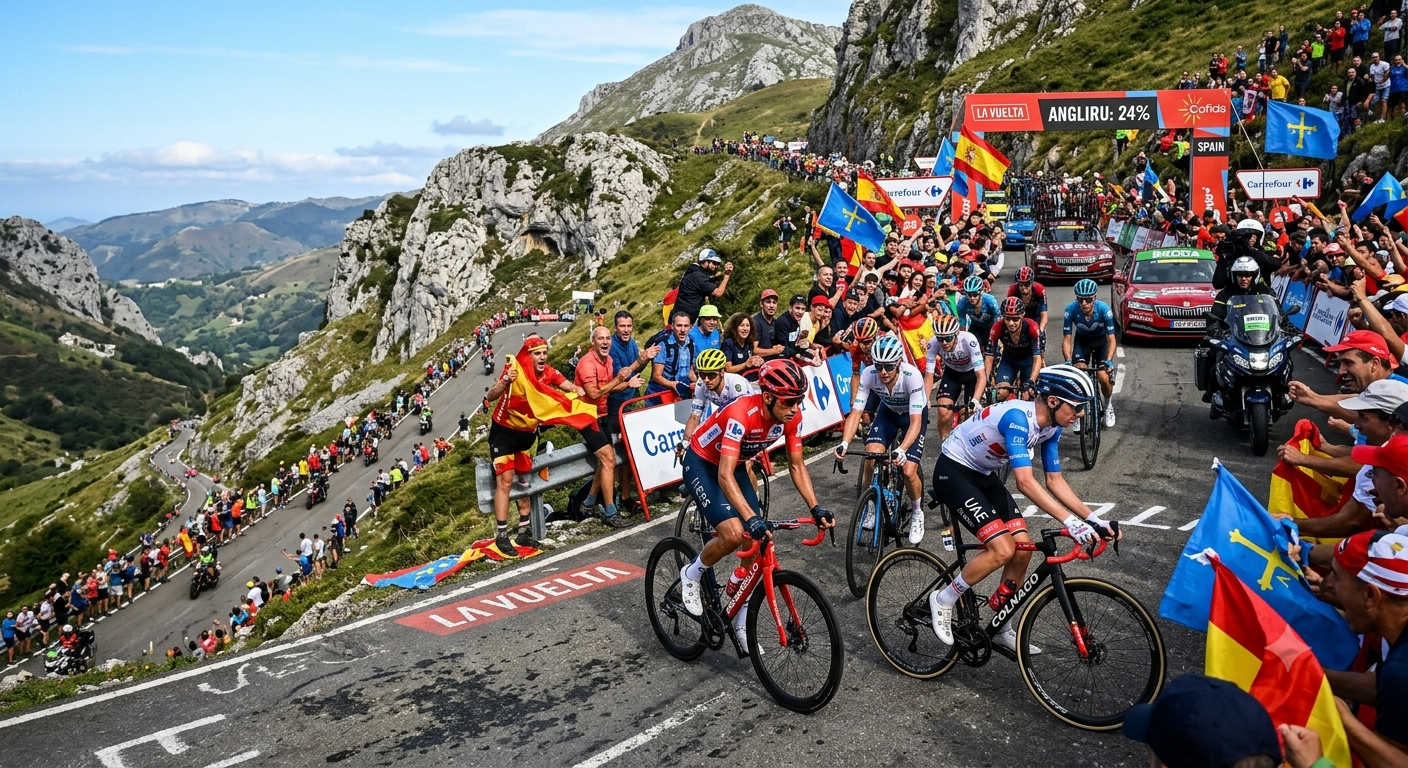
The idea of a Spanish grand tour emerged in the 1930s, during a period of increasing enthusiasm for professional cycling in the region. The inaugural edition, held in 1935, faced interruptions and organisational challenges linked to political and economic instability in the country. A second attempt followed in the late 194s, coinciding with Spain’s postwar recovery. The early editions established the framework for what would become a recurring national race, emphasising endurance, mountain ascents, and stage-by-stage strategy.
Postwar consolidation and regional identity (1950s–1960s)
In the 1950s and 1960s, La Vuelta began to gain sustained momentum. The race showcased challenging routes through Spain’s varied landscapes, from the Pyrenees to the Andalusian plains, highlighting the country’s geographic diversity. Key riders emerged during this era, contributing to a growing sense of national pride and international interest. Team strategies and domestic talent played increasingly prominent roles, shaping the event’s competitive dynamics.
Internationalisation and competition formats (1970s–1980s)
During the 1970s and 1980s, La Vuelta expanded its reach beyond Spain’s borders, attracting riders from other nations and broadening the global audience. The race experimented with route design and stage formats to maintain novelty and competitiveness. Innovations in training, team organisation, and nutrition impacted performance, aligning La Vuelta with contemporary professional cycling trends. The period also saw the emergence of memorable duels and surges that drew spectators to television broadcasts and live coverage.
The modern era and expansion of reach (1990s–2000s)
In the 1990s and early 2000s, La Vuelta solidified its status as a year-round event with increasing media exposure, sponsorship, and professional teams adopting more sophisticated season-long plans. The introduction of longer individual time trials, varied terrain, and strategic rest days contributed to a more intricate race dynamic. The event began to resonate with a broader international fan base, aided by improved broadcast technology and global cycling sponsorship networks.
Route philosophy and notable destinations (2010s–present)
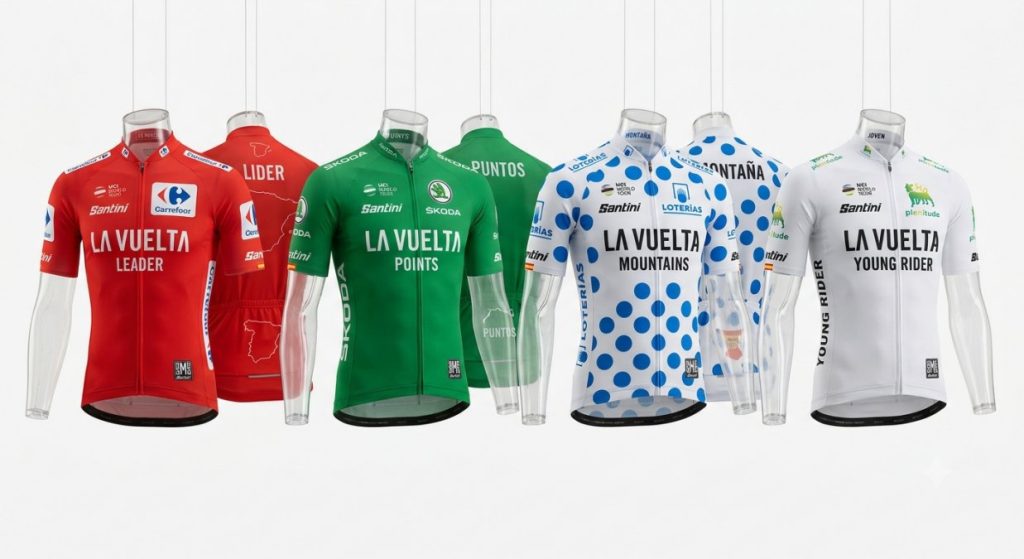
In recent years, La Vuelta has balanced classic climbs with modern conveniences for spectators and athletes. Routes often traverse iconic mountain passes and historic towns, integrating cultural experiences with competitive stages. The race has also experimented with finish formats, team time trials, and parcours diversification to maintain excitement while preserving the race’s traditional spirit. The endurance test remains a central feature, with climbers, sprinters, and all-around specialists continually ascending the podium.
Notable champions and defining moments
Over the decades, La Vuelta has crowned numerous champions whose performances left a lasting imprint on the event’s lore. Rivalries, decisive mountain stages, and time-trial battles have produced memorable campaigns that are frequently referenced in discussions of cycling history. The race’s winners often reflect broader trends in professional cycling, including the rise of all-around riders who excel across varied terrain and combat fatigue through demanding stages.
Route, culture, and regional impact
La Vuelta’s routes have encouraged exploration of Spain’s diverse regions, fostering appreciation for local cultures, cuisine, and landscapes. The race has contributed to regional tourism and economic activity, particularly in towns and mountain communities that host stage starts or finishes. Spectators, both domestic and international, participate in the event with enthusiasm, reinforcing the sport’s social and cultural significance.
The contemporary landscape and future directions
Today, La Vuelta operates within the global cycling calendar as a key objective for teams and riders. Its organization emphasizes safety, sustainability, and spectator experience while maintaining competitive integrity. The event continues to adapt to evolving technologies, training methodologies, and broadcasting paradigms, ensuring its ongoing relevance in the sport’s landscape.
Quick timeline
- 1935: Inaugural edition appears amid political and economic tension.
- Late 1940s: Postwar efforts consolidate the race’s presence.
- 1950s–1960s: Growth of national identity and regional routes.
- 1970s–1980s: International participation expands the race’s reach.
- 1990s–2000s: Enhanced media coverage and professionalisation.
- 2010s–present: Route diversification, modern sponsorship, and global audience engagement.
Closing remarks
La Vuelta a España remains a defining event in professional cycling, blending endurance, strategy, and regional heritage. Its history is a testament to the enduring appeal of grand tours: challenging climbs, tactical collaborations, and the pursuit of excellence across diverse Spanish terrains.